
Note: The post is assisted by ChatGPT to complete. However, all the arguments are original, which are brainstormed and structured by the author.
***************
At the moment, Vietnam faces several challenges that need to be addressed as quickly as possible in the trade with US, such as ensuring product origin transparency, overcoming market entry barriers, and improving response speed. However, there are some key points worth discussing.
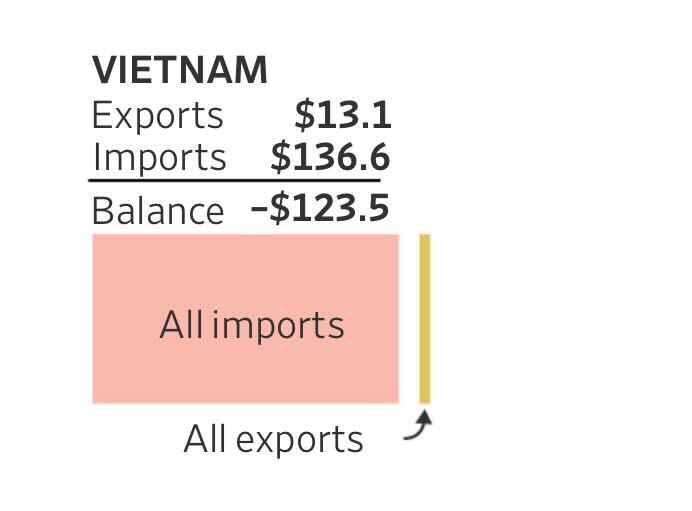
Who Benefits Most from Vietnam’s Exports to the U.S.?
Vietnam exports a significant amount of goods to the U.S., which might give the impression that Vietnam is exploiting the American market. But who actually benefits the most?
Some clear beneficiaries include:
- Vietnamese workers, who gain better income opportunities.
- The Vietnamese government, which collects tax revenue from corporate profits. However, the actual tax amount is limited by at least two factors: transfer pricing (where multinational companies shift profits to low-tax jurisdictions) and tax incentives granted to attract foreign investment.
The remaining profit is then distributed across multiple players in the supply chain, many of which are foreign direct investors (FDI) from China, Taiwan, South Korea, Japan, etc. Ultimately, a significant share goes to U.S. corporations, since many of the final products are sold under American brands. Exactly how much? That’s difficult to quantify, but it’s certainly not a small amount.
In today’s global economy, brands and intellectual property hold substantial value, allowing U.S. companies to charge high fees for branding and technology, capturing a considerable portion of the profit.
Vietnam’s Competitive Advantage
This situation reminds me of Porter’s Diamond Model on national competitive advantage. If Vietnam has the ability to produce and export goods that U.S. consumers demand, why shouldn’t it?
If similar products from other countries—or even U.S. states—were just as competitive in quality and price, wouldn’t U.S. consumers buy them instead? If they did, U.S. retailers and supermarkets would naturally increase orders from those suppliers, leading to a market shift. However, this hasn’t happened at a significant scale, meaning Vietnamese products must have certain competitive advantages that make them attractive to U.S. buyers.
For example, in agriculture, Vietnamese products may simply taste better, making them more desirable to American consumers.
What About U.S. Products in Vietnam?
Now, let’s reverse the perspective. What competitive advantages do U.S. goods have in the Vietnamese market? Do Vietnamese consumers really need the “premium” features of U.S. products, or are they simply looking for something “good enough”?
This is difficult to determine. Some U.S. goods, like high-end technology and luxury items, are marketed as premium products, but the question is whether Vietnamese consumers truly see enough value in them to justify the price. For many everyday goods, affordability and practicality may outweigh brand prestige.
Final Thoughts
The key takeaway is that trade relationships are complex. While Vietnam benefits from exports, a significant share of the profits is captured by multinational corporations, including U.S. firms. Meanwhile, Vietnam’s competitive edge in certain industries ensures a strong demand for its products in the U.S. market. The real question is: Can Vietnam move up the value chain and capture a larger share of the profit in the future?
 Ta ba lô
Leave a comment